Do I Really Need a Crown? When a More Conservative Restoration May Be Possible
Dental Crowns, Conservative Dentistry, Tooth Preservation
Do I Really Need a Crown?
Understanding the Alternatives Before Removing More Tooth
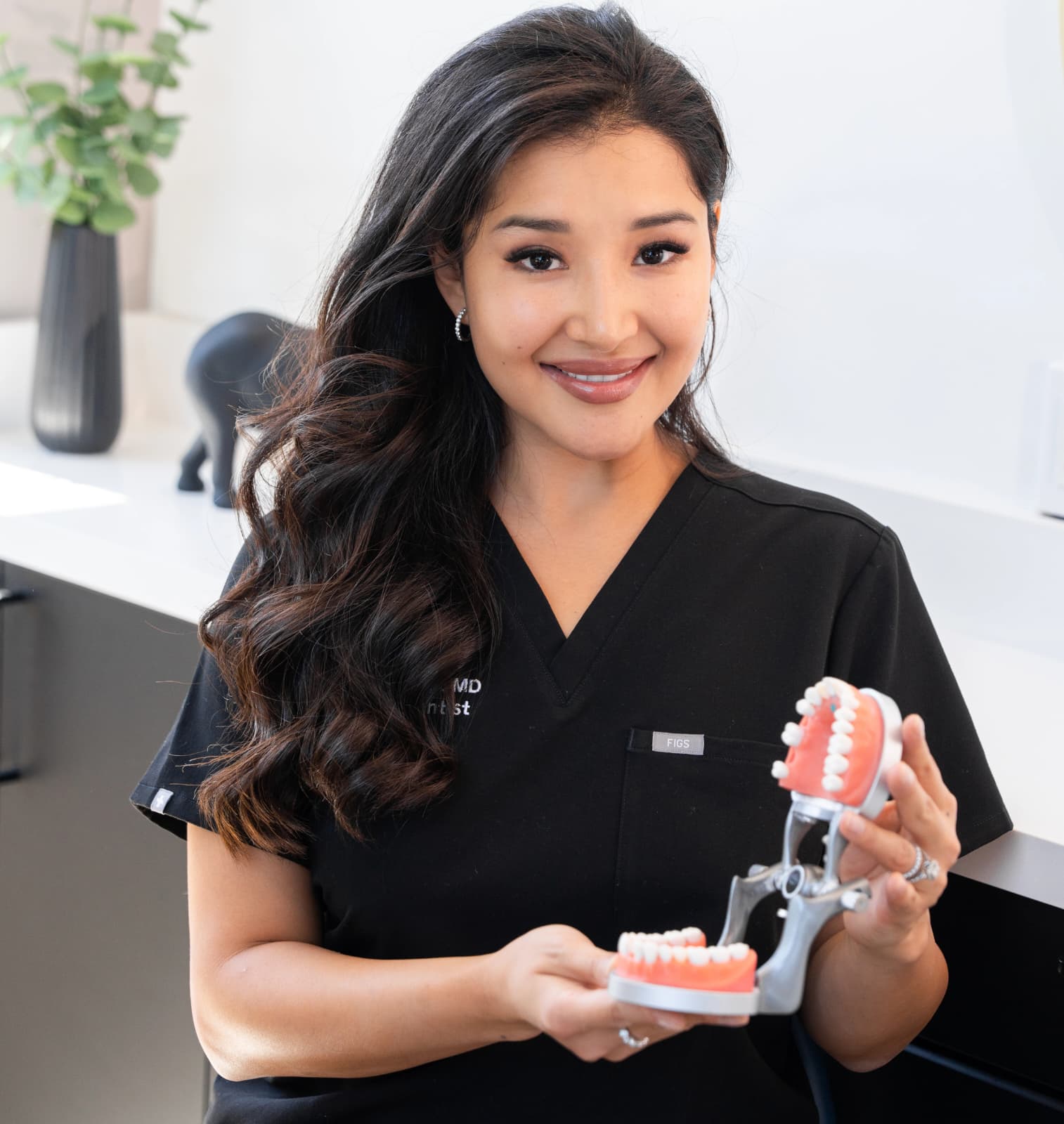
If you have been told you “need a crown” and you are feeling unsure, you are not alone. At B Dental Studio in Boynton Beach, many new patients come to see me, Dr. Bella Beck, DMD, because they want to protect their teeth without automatically committing to aggressive drilling or full-coverage crowns. This article is meant to gently walk you through why a crown may be recommended, what it actually does, when alternatives may be appropriate, and how we decide together what level of protection your tooth truly needs.
Why a Crown May Be Recommended in the First Place
Hearing “you need a crown” can feel sudden and overwhelming, especially if the tooth is not hurting you. Most of the time, a dentist recommends a crown because the tooth is weakened in some way and at higher risk of cracking, breaking, or needing more extensive treatment later. Common reasons include:
A large cavity or deep decay that has removed a lot of tooth structure
A tooth with a very large or failing old filling, especially silver (amalgam) fillings that have been there for many years
Cracks in the tooth that could spread under normal chewing or clenching forces
A tooth that has had a root canal and is now more brittle and vulnerable
In all of these situations, the intention behind recommending a crown is usually protective: to reduce the chance that the tooth will fracture in a way that is painful, difficult to repair, or even impossible to save. The question is not whether crowns are valuable—they absolutely are in many cases. The question is whether a full-coverage crown is the only or best option for your specific tooth.
What a Crown Actually Does to Protect a Weakened Tooth
A crown is like a custom helmet for your tooth. It covers and surrounds the tooth above the gumline, usually 360 degrees. By wrapping around the tooth, a crown helps:
Hold weakened walls together so cracks are less likely to spread when you bite or chew
Redistribute bite forces more evenly across the tooth and down into the root
Seal and protect the underlying tooth from further decay or wear when properly maintained
Modern crowns are often made of strong ceramics that can be beautifully matched to your natural teeth. At B Dental Studio, we use digital scanning and high-quality materials so crowns can look natural and feel comfortable. Still, creating room for a crown usually requires removing additional healthy tooth structure around the entire tooth. That is where my conservative philosophy comes in: if we can protect the tooth effectively with less removal, I want you to at least know that option exists.
Why the Amount of Remaining Healthy Tooth Structure Matters So Much
Your natural enamel is incredibly strong and precious. Once it is drilled away, it does not grow back. When I evaluate a tooth, one of the first questions I ask is: How much healthy, sound tooth is still present? The more healthy structure we can keep, the better the long-term outlook usually is—both for strength and for future treatment options if you ever need more work later in life.
If a tooth already has large areas missing from decay or old fillings, a crown or another type of indirect restoration may be appropriate because there simply is not enough strong enamel left to support a simple filling. On the other hand, if there is still a good amount of healthy enamel and dentin, we may be able to consider partial-coverage options that reinforce the tooth without grinding it all the way around. This is where direct bonding, inlays, and onlays come into the conversation.
When Direct Composite Bonding May Be Considered Instead of a Crown
Direct composite bonding is a tooth-colored resin material that is placed directly in the mouth, shaped by hand, and hardened with a curing light. Many people know bonding as a cosmetic treatment for chipped front teeth, but it can also be used to restore smaller areas of decay or replace moderate-sized fillings in back teeth when conditions are right.
The remaining tooth structure is mostly healthy and strong
The area to be restored is not extremely large or deep
The tooth is not severely cracked or heavily loaded by your bite
Bonding is more conservative than a crown because it removes only the unhealthy or damaged area and bonds directly to the remaining tooth. However, it may not be strong enough long term if the tooth is already heavily compromised or if you have a strong bite, clenching, or grinding habits. In those situations, an indirect restoration such as an inlay, onlay, or crown may provide more predictable protection.
What Is an Inlay or Onlay, and How Is It Different from a Crown?
Inlays and onlays are sometimes called “partial crowns” because they are made in a dental lab (or with digital technology) like a crown, but they do not cover the entire tooth. They are custom pieces of porcelain or other strong material that fit into or onto the tooth to rebuild the missing areas while leaving more healthy tooth untouched.
An inlay fits inside the cusps (the raised points) of the tooth, similar to a very precise, lab-made filling for the center of the tooth.
An onlay extends over one or more cusps, rebuilding the biting surface and often reinforcing weakened areas without wrapping all the way around the tooth like a full crown.
At B Dental Studio, I often consider inlays and onlays for patients who have moderately damaged teeth: too compromised for a simple filling, but not necessarily requiring full circumferential coverage. This approach allows us to take advantage of the strength and precision of lab-made ceramics while still honoring the goal of preserving every bit of tooth we can responsibly keep.
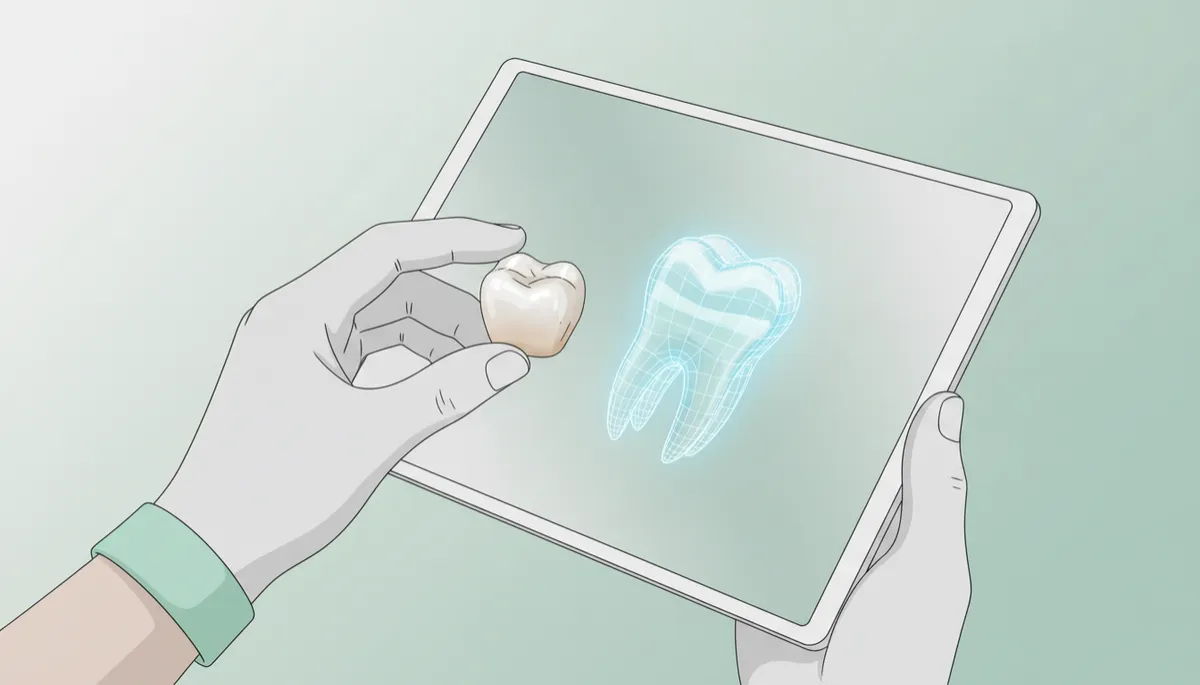
Partial-coverage onlays can reinforce weakened teeth while preserving more natural enamel.
Partial-Coverage Restorations vs. Crowns: How They Truly Differ
A full crown usually requires reducing the tooth around the entire circumference and across the biting surface to create space for the crown material. A partial-coverage restoration, such as an onlay, focuses only on the areas that are diseased, cracked, or weak. The difference is not just technical—it is philosophical.
With partial coverage, we ask: “What is the minimum amount of tooth we need to adjust to give this tooth long-term strength and protection?” We design the restoration to reinforce the tooth’s vulnerable areas while leaving thick, healthy enamel untouched whenever possible. This is especially aligned with our conservative, tooth-preserving approach at B Dental Studio and with patients who are understandably anxious about aggressive drilling or lifelong maintenance of heavily reduced teeth.
How Cracks, Decay, Old Fillings, Bite Forces, and Root Canals Affect the Decision
Choosing between bonding, an inlay or onlay, and a crown is never one-size-fits-all. Several clinical factors make a big difference:
Cracks: Fine, superficial craze lines in enamel may not require a crown. But deeper cracks that involve the biting surface or extend toward the root can place the tooth at real risk. In those cases, a crown or strong onlay that splints the tooth together may be the safest way to prevent a sudden fracture.
Decay: The deeper and wider the decay, the more tooth is lost when we remove it. If decay undermines the cusps or reaches close to the nerve, we may need a stronger, more encompassing restoration to support what is left and protect the tooth from sensitivity and breakage.
Old fillings: Large, aging fillings—especially metal ones that expand and contract—can create internal stress and microcracks over time. Replacing them with another large filling may not be wise if the remaining tooth is thin or already fractured. An onlay or crown may better stabilize the tooth.
Bite forces and habits: If you clench, grind, or have a very heavy bite, your teeth experience higher forces every day. In those cases, we may lean toward stronger, more protective options and sometimes pair them with a custom night guard to protect your investment and your natural teeth.
Root canal treatment: Teeth that have had root canals are more brittle because the blood and nerve supply have been removed. They often benefit from coverage that reinforces the cusps and prevents catastrophic fractures. Sometimes that is a full crown; in other cases, a carefully designed onlay may be sufficient, depending on how much tooth remains.
At B Dental Studio, we use advanced digital imaging—such as the iTero® Lumina scanner and detailed x-rays—to evaluate all of these factors carefully. My goal is to show you what I see, explain your risks and options, and help you feel comfortable with the path we choose together.
When a Crown May Genuinely Be the Safest Option
Even with a strong emphasis on conservation, there are times when a full-coverage crown truly is the most responsible choice. That might be the case when:
More than half of the tooth structure is already missing or undermined
There are multiple large cracks and thin, unsupported walls that could fracture unpredictably
The tooth has had a root canal and very little strong enamel remains above the gumline
Your bite places especially heavy forces on that tooth, and a partial restoration would leave it too vulnerable
In these scenarios, choosing something smaller than a crown may feel more conservative in the short term, but it can actually increase the chance that the tooth will crack in a way that requires an extraction or more complex treatment later. My responsibility is to be honest with you about those risks and to recommend a crown when I truly believe it offers the best chance of keeping the tooth for the long term.
Questions You Should Feel Comfortable Asking Before Treatment
You deserve to understand why a specific treatment is being recommended. Before moving forward with a crown—or any major restoration—consider asking your dentist questions like:
What is the main reason this tooth needs a crown instead of a filling or onlay?
How much healthy tooth structure will need to be removed to place this crown?
Are there any partial-coverage or more conservative options for this tooth? If not, why?
Can you show me the crack, decay, or old filling on an x-ray or digital scan so I can see what you see?
What are the risks if I delay or choose a smaller restoration instead?
A caring dentist should welcome these questions and answer them clearly and calmly. At B Dental Studio, I encourage my patients to ask as many questions as they need. Feeling informed is an important part of feeling safe in the dental chair, especially if you have had disappointing or rushed experiences in the past.
Dr. Bella’s Perspective on Choosing the “Right Size” Restoration
My philosophy is simple and guides every treatment recommendation I make: “I am not trying to choose the smallest restoration or the largest restoration. I am trying to choose the right level of protection while preserving every part of the tooth that can responsibly remain.”
That means I will not recommend a crown just because it is familiar or convenient, and I will not push a minimal option if I believe it leaves your tooth at high risk. Instead, I carefully study your tooth, your bite, your habits, and your goals. Then we talk openly about the pros and cons of each option—bonding, inlays, onlays, crowns, or sometimes even orthodontic or implant solutions if a tooth is too compromised to predictably save.
Many of my patients in Boynton Beach, Delray Beach, Boca Raton, Lake Worth Beach, and the greater Palm Beach County community come to B Dental Studio specifically because they value natural-looking results and a tooth-preserving approach. If you are worried about aggressive drilling, sensitivity, or restorations that do not look like you, please know that there are often thoughtful, individualized paths forward.
Ready for a Thoughtful Evaluation or Second Opinion?
If you have been told you need a crown and you are unsure whether it is truly necessary—or whether there might be a more conservative alternative—I would be honored to help you explore your options. During a consultation at B Dental Studio, we will:
Take comfortable digital scans and imaging to evaluate your tooth in detail
Review what we see together on the screen so you can understand the “why” behind any recommendation
Discuss whether bonding, an inlay, onlay, crown, or another approach best balances protection, longevity, and preservation of your natural tooth
Our promise is to approach your care with precision, honesty, and respect for the teeth you were born with. Whether you need a single restoration, are considering No-Prep or minimal-prep veneers, or are exploring a more comprehensive smile makeover, we will design a plan that fits your health, comfort, and aesthetic goals—without unnecessary tooth reduction or pressure-based selling.
If you are ready for a calm, educational conversation about your tooth and your options, I invite you to request an appointment with B Dental Studio or call our Boynton Beach office at 561-903-7680. Together, we can protect your natural teeth while creating a smile that still feels beautifully and authentically like you.